
What you’ll learn
— The basic layout of a townhouse and the problems it solves for homeowners
— The advantages and disadvantages of townhouse living
— How buying a townhouse works, step by step
Townhouses are a great pick for many buyers, providing a blend of private and communal living and architecture that’s both classic and modern. The convenience, affordability, and lifestyle they offer has helped them crop up in just about every city and suburb in the country.
In this guide, you’ll find out what a townhouse is and why it’s a top pick for so many homeowners.
What’s a townhouse, and what does one look like?
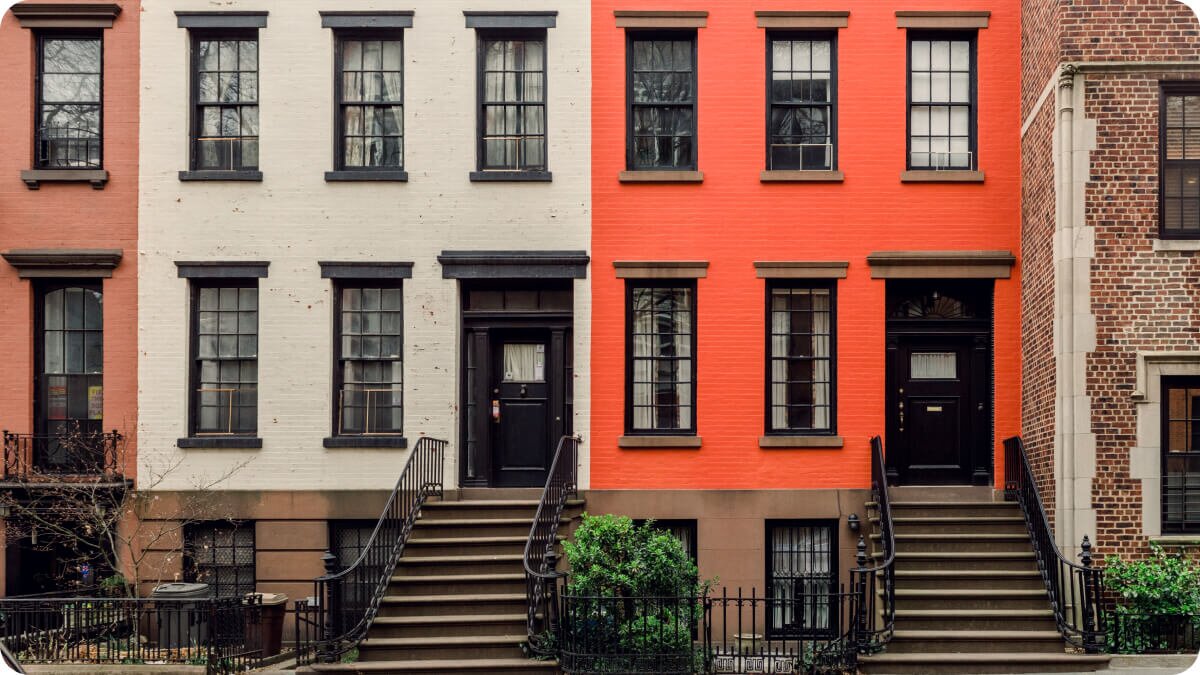
Townhouses are typically narrow, multi-story homes laid out in a row. They’re usually a part of a complex with shared amenities provided and maintained by a homeowners’ association (HOA).
Residential townhouses are individually owned or rented and have private entrances. They also have their own years, which makes them feel more like traditional detached homes than other housing options with shared walls, like condos and apartments. At the same time, nearby neighbors and joint amenities provide a tight-knit feel. This combination blends private living and a community atmosphere. Think of it like books on a shelf — each one has their own story, but they form the same collection.
Townhomes are common in high and medium-density cities and suburbs all over the nation. In fact, the trend is growing: As of Q2 2025, townhomes in the U.S. reached their largest share of the single-family home market — about 18%.
Pros and cons of living in a townhouse complex
Many homebuyers, including first-time owners and small families, opt for a townhouse. Homes like this offer spacious, affordable living, but they come with a few considerations. Let’s take a look at the main benefits and potential drawbacks of living in a townhouse.
Pros
Here are the main advantages of townhome living:
— Affordability: Townhouses may cost less than detached homes in the same neighborhood, even with the same square footage. This is mainly due to the vertical design. When you fit the same amount of space into a smaller area, you’re not paying a premium for the extra land.
— Less maintenance: The maintenance burden is usually light because they tend to be smaller than detached homes. If your townhome complex is part of an HOA, you may not have to worry about exterior chores at all.
— Amenities: Some townhouse communities come with amenities like shared pools, parks, and gym facilities available exclusively to residents and their guests. The HOA handles the upkeep, so you get the benefits without the bother.
— Energy efficiency: Shared walls keep more heat in during the winter and let less cool air escape in hotter months. This lets you get the most out of your heating and cooling and use less energy.
— Walkability: Townhouses are often built in denser neighborhoods with easy access to shopping, schools, and public transportation.
Cons
Here are the potential disadvantages of townhouses:
— HOA fees and regulations: HOAs have their benefits, but aren’t free. While HOA fees vary by community and scope of services, you’ll have to consider them in your budgeting, though the included maintenance can offset this cost to some degree. Associations also usually set guidelines on what you can do with your property. These rules may control choices like paint colors, landscaping options, and pet ownership.
— Noise and privacy issues: Sometimes townhouses are noisy because of the close quarters and shared walls. However, it ultimately comes down to insulation quality, neighbor habits, and high-quality wall construction. If this is a dealbreaker for you, ask your agent or read online reviews before committing.
— Limited outdoor space: Townhouses aren’t designed with large front lawns or backyards. Small patios aren’t unusual, but if you’re looking for spacious outdoor areas, you may need to look elsewhere.
How to buy a townhouse in 4 steps ✅
Buying a townhome is similar to buying other single-family homes. Here’s a rundown of the key steps.
1. Set your budget
Start by considering your situation and finances: List out your income and expenses to see how much you can comfortably afford. Then, bring in your housing must-haves — think about your ideal location, size, and amenities. Don’t forget to consider HOA fees if you want a community with an association.
Using a mortgage calculator helps you understand what you can afford before you move forward. It’s a simple, no-commitment way to estimate your ideal home cost and monthly payments.
2. Start house hunting
Search for townhomes in neighborhoods you might want to live in. Look for homes within your budget, considering factors like proximity to businesses and suburban versus urban atmosphere.
This step is much easier when you work with a real estate agent. These professionals can help you with many tasks, from recommending properties that fit your preferences to coordinating inspections.
3. Shop around for a mortgage lender
Once you have a good idea where you want to live, it’s time to seek out financing. Shop around and get pre-approved by different lenders to see potential rates. This step helps you determine your potential buying power and estimated interest rates.
You don’t need to settle for the first lender that makes you an offer. What seems like a tiny difference in interest rate can end up costing you thousands over the life of your loan, so explore your options before committing.
With some mortgage providers, pre-approval takes a lengthy application and days waiting for a reply. Better lets you apply and see the results in as little as three minutes — with no impact on your credit report.
...in as little as 3 minutes – no credit impact
4. Make an offer and close
After you’ve been approved by a mortgage lender, it’s time to make an offer and seal the deal. After the seller accepts, you’ll need a final mortgage approval before you move into closing. From here, your agent will walk you through the final steps of making the home officially yours, from signing documents to paying closing costs.
How do townhomes compare to other types of housing?
Here’s a quick comparison of different housing types and the homebuyers they fit best:
| Housing type | Buyer profile |
|---|---|
| Townhouses | The townhouse style is a solid option if you want similar space to a detached home at a more affordable price. |
| Bungalows | Bungalow houses are a good choice if you need a decent amount of space and prefer a single story. |
| Condominiums | Condos are similar to townhouses, offering shared amenities and HOAs. You typically own the space inside but don’t have rights to the external property. They’re a good option if you enjoy apartment-style living but want to own your own space. |
| Multi-family homes | Buying a multi-family home gives you the opportunity to rent out spare units. If you have the time, resources, and patience to manage the tenants and repairs, this could be a lucrative option. |
| Traditional single-family homes | If you need more room or don’t like shared walls, opting for a more typical detached single-family house over a townhouse might be the right move. |
Is a townhouse right for you?
Here are some considerations when deciding whether or not to buy a townhouse:
— Identify your non-negotiables: List the features you absolutely can’t live without (or absolutely can’t endure). For instance, you might want an HOA that provides great amenities but doesn’t cramp your exterior styling ideas. Write all your must-haves down before you go hunting. You could find a townhome that checks all your boxes, or you may have to consider other housing options.
— Research HOA rules: Make sure the HOA covers the maintenance and amenities you want and that you’re willing to abide by its guidelines. Every community is different, and you may not be comfortable with the rules they impose.
— Double-check your budget: Check your expenses and budget and make sure you can afford your new townhouse (plus HOA fees.) This isn’t apartment living, either. You’ll likely be on the hook for maintenance and repairs in your unit, so keep those costs in mind, too.
Secure an affordable townhome faster
Townhouses pack plenty of living space into a little land for homebuyers who want a convenient, low-maintenance experience without skimping on breathing room. If you’re one of them, explore your financing options with Better.
Better works to streamline the home purchase process at every level, from application to closing. When you work with a Better Real Estate Agent and secure a loan with Better Mortgage, you’ll save $2,000.
Get started on the path of stress-free homebuying with Better.
...in as little as 3 minutes – no credit impact