
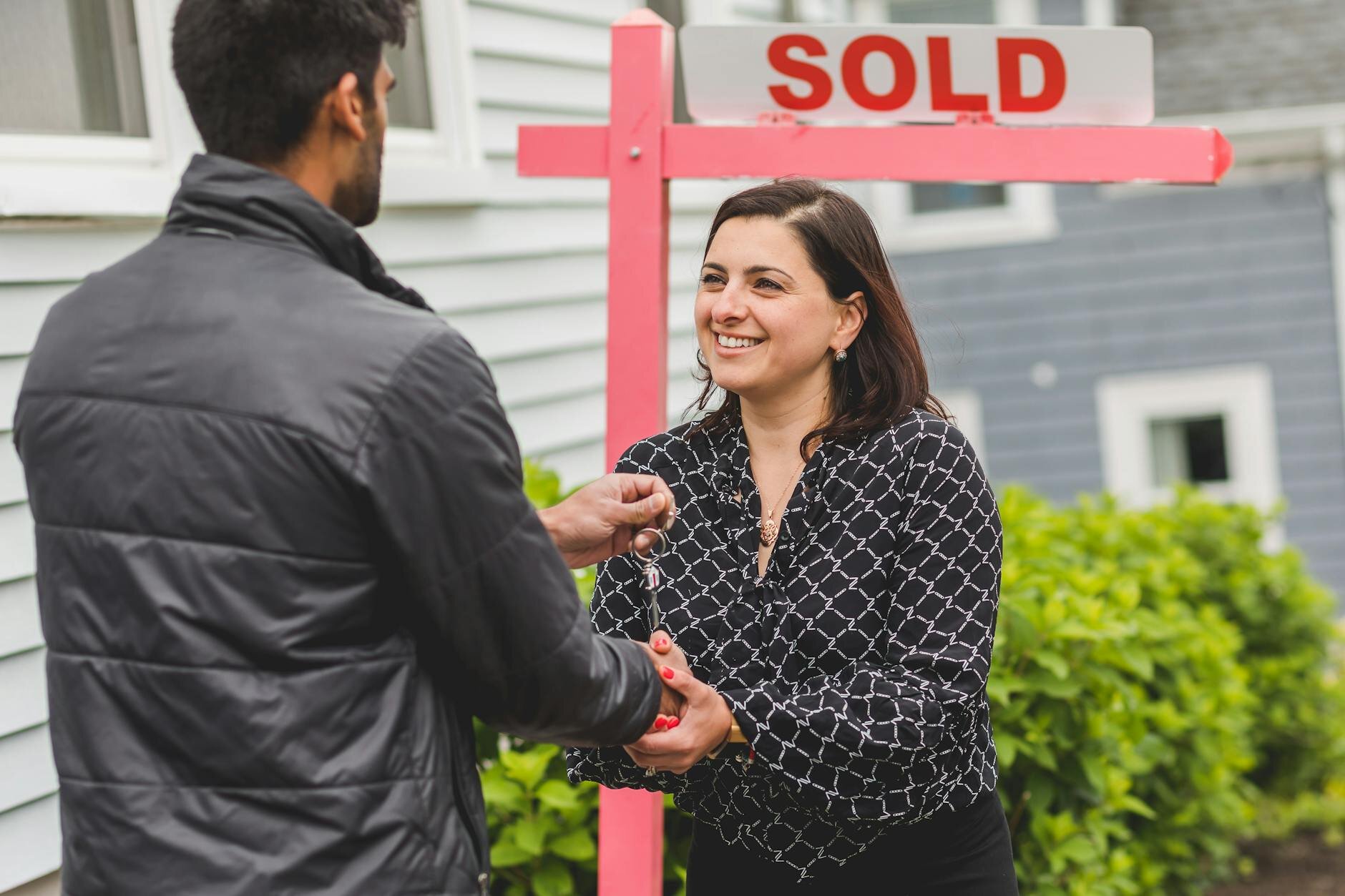
Do you need a buyer's agent? Many homebuyers, especially first-timers, think they don't.
Yet a buyer's agent can usually advocate for home buyers in ways that no one else can.
A buyer’s agent can help buyers make more informed decisions and navigate the homebuying process more efficiently.
What is a buyer's agent and what do they do?
A buyer's agent represents only the buyer's interests in a real estate transaction. Unlike other real estate professionals who serve multiple parties or focus on selling properties, buyer's agents work solely for buyers.
Buyer's agents help buyers find the right home, make competitive offers, and negotiate with sellers. From the first home visit to closing day, a good buyer's agent is often the home buyer's primary advocate.
How buyer agents differ from listing agents
Buyer's agents and listing agents serve opposite sides of a real estate transaction. Listing agents (also called seller's agents) market properties, host open houses, and negotiate to maximize their client's profit. Their goal: To get the highest possible price and best terms for home sellers.
Buyer's agents focus on getting the buyer the best deal. They analyze property values, identify possible problems with properties, and build offers with contingencies that protect the buyer.
Once a property goes under contract, a buyer's agent may be called the "selling agent," an industry term that sounds confusing but doesn't change their loyalty to you.
...in as little as 3 minutes – no credit impact
Realtor vs buyer's agent: what's the difference?
Not all buyer's agents hold the Realtor® designation. The word "Realtor" means the agent has membership in the National Association of Realtors (NAR), which requires following a specific code of ethics.
All Realtors can act as buyer's agents, but not all buyer's agents are Realtors.
Some buyer's agents earn the Accredited Buyer's Representative (ABR) certification, showing specialized training in buyer advocacy. This designation can mean the agent has knowledge and experience that's specific to helping buyers.
Buyer agent vs dual agent: what's the difference?
Dual agency occurs when one agent represents both the buyer and the seller in the same transaction. While legal in some states, this arrangement creates an obvious conflict. One agent cannot simultaneously negotiate the highest price for the seller and lowest price for you.
Dual agents must remain neutral, providing no advocacy for either party. They can facilitate paperwork and coordinate logistics, but they can't advise you on offer strategy or reveal the seller's motivations.
Working with a dedicated buyer's agent ensures you receive full representation throughout your purchase.
| Agent Type | Primary Loyalty | Negotiation Focus | Information Sharing |
|---|---|---|---|
| Listing Agent | Seller | Maximize sale price | Cannot reveal seller's bottom line |
| Buyer's Agent | Buyer | Minimize purchase price | Keeps your budget confidential |
| Dual Agent | Neither party | Facilitate transaction only | Must remain neutral |
Benefits of working with a buyer's agent
Many buyers, especially first-timers, believe they can handle real estate transactions alone, especially now that most home searches now begin online. Other buyers want representation, but they worry about how to pay for it, not knowing that sellers traditionally cover buyer's agent fees from their proceeds at closing.
Buyers agents do more than finding properties and shuffling paperwork. They also:
Analyze market value and spot red flags
Skilled buyer's agents can save their clients' money through their inherent knowledge of the local housing market. They recognize when sellers price homes based on emotional attachment rather than objective market conditions.
For example, if comparable homes sold for $350,000 to $375,000, but a seller lists at $420,000, your buyer's agent sees this overpricing immediately without wasting any of the buyer's time.
Beyond pricing, buyer's agents spot potential deal-breakers that untrained buyers might miss, problems like foundation instability, poorly built additions, code violations, or neighborhood trends that could affect future resale value.
Find properties that match your needs
Buyer's agents filter through hundreds of listings to present homes that fit your criteria. Invaluably, they usually know about properties before they appear on public websites. More importantly, they understand neighborhoods beyond what online descriptions reveal, pointing out nearby school quality, traffic patterns, or planned developments that could affect property values.
For example, a skilled agent might identify that a seemingly perfect home sits in a flood zone or near a planned highway expansion, information easily missed during independent searches.
Structure offers that sellers accept
Buyers agents use Comparative Market Analysis (CMA) to determine realistic offer amounts. They can also get a sense from the listing agent how responsive the seller would be to different types of offers.
Buyers agents also communicate with the seller on behalf of the buyer, avoiding awkward conversations or unnecessary confusion. All the while, the buyer's agent includes offer contingencies that help the buyer avoid losing money if the deal falls through.
Handle negotiations and repairs
Once an offer has been accepted, the buyer's agent helps schedule the home inspection and then negotiates for price changes, repair credits, or other strategies to address problems the home inspection uncovered.
Agents tend to know which problems justify renegotiation and which are typical for the home's age and condition.
Manage complex paperwork
A good buyers agent will also keep the transaction organized, which serves the best interests of the buyer. The agent will keep track of:
- Purchase agreements and counteroffers
- Inspection reports and repair addendums
- Financing documents and appraisal reports
- Title insurance and closing statements
Lost or missing paperwork can create confusion, add costs, and delay closings.
Connect buyers with trusted professionals
Experienced agents have lasting relationships with reliable home inspectors, mortgage lenders, and contractors. Buyers should still research any recommended vendors independently, but the agent's connections can provide a head start.
A good buyer's agent will also maintain emotional distance during negotiations, helping the buyer make rational decisions rather than reactive choices that might threaten the deal or add to costs.
Things to consider about working with a buyer's agent
Buyers should know their costs and legal obligations when working with a buyer's agent.
How buyer's agents get paid
Buyer's agents typically earn 2.5 to 3% of a home's purchase price. On a $500,000 home, that equals $12,500 to $15,000 in commission. Keep in mind the buyer's agent may be splitting this commission with their agency or partners.
Traditionally, sellers paid the buyer's agent from their proceeds at closing, but recent industry changes have been shifting this expectation in some markets. Who pays commissions is often negotiable.
The buyer-agent agreement
When you enter an agreement with a buyer's agent, pay attention to:
- Contract duration: How long the agreement lasts (typically 90 days to 6 months)?
- Geographic scope: In which areas the agent will help you search for a home?
- Exclusive vs. non-exclusive representation: Will you be working with other agents?
- Termination clauses: How can either party end the relationship?
Many agents show flexibility on these terms, especially in competitive markets where they want to secure quality clients.
Impact of recent commission lawsuits
The National Association of Realtors' 2024 settlement opened the door to changes for buyers.
– New buyer obligations: These contracts specify exactly how your agent gets paid, who's responsible for commission, and what services you'll receive. Unlike the old system where payment details remained vague, everything must be clearly documented upfront.
– Market adaptation: Most sellers still offer to pay buyer's agent commissions, but this isn't guaranteed or required. Some properties may require you to pay your agent directly, affecting your total homebuying costs.
How to find a buyer's agent
Finding qualified representation often starts with personal recommendations from friends and family who recently purchased homes. Personal referrals typically yield better matches than random online searches, as you can learn about their actual experience working with specific agents.
New buyers should research potential agents thoroughly before scheduling interviews. Check credentials, verify licenses, and read client testimonials to understand their track record. Look for the ABR designation (Accredited Buyer's Representative), which indicates specialized training in buyer advocacy through the National Association of Realtors.
Before signing a buyer-agent agreement with a Realtor or agent, try to get a sense for the agent's:
- Neighborhood knowledge: How familiar are they with areas you're targeting? Can they provide insights about market trends, school districts, or upcoming developments that might affect property values?
- Communication approach: Do they respond promptly to questions? How often will they provide updates during your search and negotiation process?
- Recent experience: What's their track record with buyers in your price range and situation? Ask for specific examples of challenging negotiations they've handled successfully.
- Availability: Can they accommodate your schedule for showings and meetings? Some agents juggle too many clients to provide adequate attention.
- Negotiation strategy: How do they approach offers and counteroffers? What's their success rate in getting offers accepted?
Connection matters as much as credentials. The right agent takes time to understand your specific needs, explains market conditions clearly, and demonstrates genuine interest in finding properties that match your criteria rather than pushing quick sales.
Buyer's agent FAQs
What does a buyer's agent charge?
Buyer's agents typically earn 2.5 to 3% of a home's purchase price. For a $500,000 home, that means $12,500 to $15,000. (The buyer's agent is probably sharing this payment with their agency.) Because of the 2024 NAR settlement changes, expect to sign a contract specifying payment terms before touring properties. Most sellers still cover commissions for buyer and listing agents, but the agreement clarifies responsibility upfront.
Can I end my relationship with my buyer's agent?
Yes, though termination depends on your contract terms. Most agreements include specific exit clauses explaining how either party can end the relationship. If you're not happy with the service provided by the agent, talking about this often resolves issues and confusion.
Can you negotiate a buyer's agent's commission?
Commission rates are negotiable. They've never been fixed by law. Many agents offer flexibility, especially given recent industry changes. Make sure you understand all the fees before signing any representation agreement.
Take control of your home buying journey
A buyer's agent isn't the only advocate home shoppers can depend on. The mortgage lender that finances the home is also in the buyer's corner.
Better Mortgage is open 24/7 and always ready to start the home buying process with new buyers.
You can start your pre-approval online any time to see an estimated mortgage rate and monthly payment. The initial pre-approval uses a soft credit pull, so it won’t affect your credit score.
...in as little as 3 minutes – no credit impact